
Dining out is a social event accompanied by its own set of etiquette, norms, and proper behavior. It’s not just about the food and the company. Whether you are on a business lunch, a dinner date, or a casual outing with friends, restaurant etiquette can play a vital role in ensuring a smooth and pleasant experience for everyone.
This article will break down the common restaurant etiquette from arrival to payment, while incorporating modern dining expectations.
1. Before You Arrive: Reservations & Punctuality
Booking your table is seen as polite behavior, particularly for fine dining restaurants and during peak hours. It ensures that you don’t have to wait too long and helps the staff predict the care that you may need (baby chairs, extra space for wheelchair users, etc.).
Tips:
- Show up on time or arrive at least 5-10 minutes before your allotted reservation time.
- Let the restaurant know if you’ll be late.
- Cancel your reservation in case of any changes.
2. Dress Code Awareness

(Image source–Envato)
Restaurants have different expectations when it comes to the dress code. Some are casual and accept shorts and sandals, while others are more formal and expect you to dress up. Respecting the dress code ensures everyone is comfortable, and you can avoid feeling awkward for overdressing or underdressing.
General guidelines:
- Smart casual is a safe default.
- Avoid overly casual attire like flip-flops and active wear in fine dining restaurants.
- When in doubt, check the restaurant’s website or call ahead to enquire about the dress code.
3. Greeting & Seating Etiquette
(Image source–Envato)
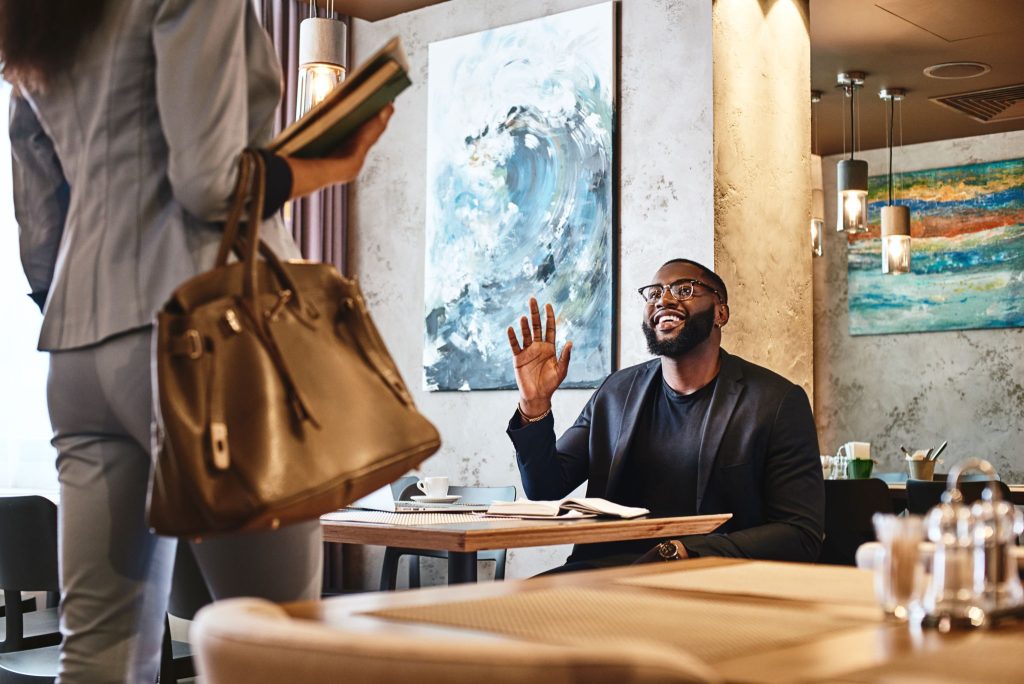
When you arrive, you will be seated by the host or server unless it’s a self-service restaurant. If you have an appointment, please notify the server.
Key etiquette tips:
- Acknowledge the host politely.
- Do not select your own table unless you are allowed to.
- Let the host seat you and serve you with the menus.
- For business dining, it’s usual for the host to sit last after everyone has been seated.
4. Table Manners Basics
Good table manners are important and can be seen as a reflection of your social awareness and respect for others.
Essential table manners:
- Place your napkin in your lap after you sit down.
- Keep your elbows off the table when you eat.
- Chew your food with your mouth closed.
- Do not speak with your mouth full of food.
How to use utensils:
- Start with the outermost utensils first.
- Fork in the left hand and knife in the right hand (for the continental style).
- Rest utensils on the plate when not in use.
5. Ordering Food & Drinks
(Image source–Envato)
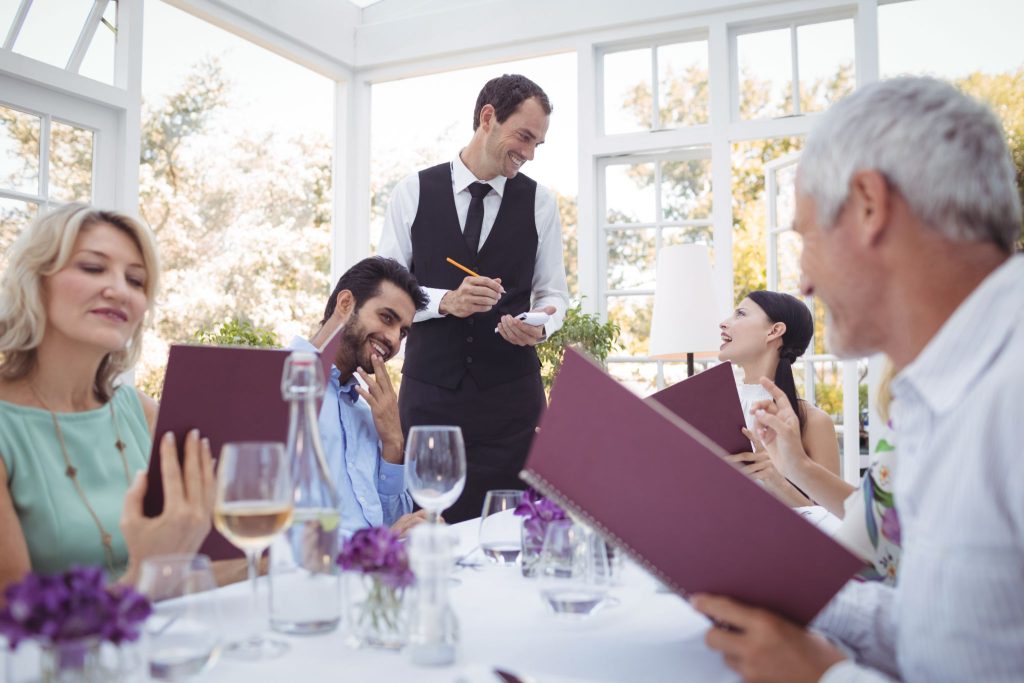
Ordering food and drinks is a crucial point of interaction that demonstrates your confidence and courtesy. Keep your tone polite and your orders simple and efficient.
Best practices:
- Be prepared with your choice as the server comes to your table.
- Inform the server immediately about your dietary preferences or allergies.
- Be polite when you have questions regarding the menu.
- Avoid complex customisations if unnecessary.
- Let the host order first during formal dinners.
- For group dining, consider dishes that can accommodate different dietary preferences.
6. Interacting with Staff
Respectful interaction with service staff at the restaurant is an essential aspect of dining etiquette. Remember, good service is a two-way interaction.
Dos:
- Use polite words like “please” and “thank you.”
- Maintain eye contact while talking.
- Request service politely if needed.
Don’ts:
- Shout and snap your fingers to get attention.
- Be over-demanding and impatient.
7. Phone & Conversation Etiquette

(Image source–Envato)
When dining with others, you should prioritise giving a pleasant experience for everyone. During outings with friends and family, it’s acceptable to be more laid back and casual. But for business dining, maintain professionalism and stay focused on the purpose of the meeting.
Guidelines:
- Silent mode for your phone.
- No calls at the table (step outside for the call).
- Inclusive and respectful conversation.
- No controversial or inappropriate conversation in formal dining.
8. Eating Pace & Sharing the Table
Dining is a shared experience with your loved ones. So, you have to be mindful of your eating pace and how you use your space.
Tips:
- Adjust your eating speed to match those eating with you.
- In formal settings, wait for everybody to be served before eating.
- Do not reach out across the table to grab food and instead, ask for items to be passed.
- Make use of serving utensils while eating shared dishes.
9. Handling Issues or Complaints
In the event that something goes wrong, be calm and courteous to the staff. Whether it’s bad service from a staff member, unsatisfactory food, or disruptive diners, avoid escalating the issue. Most establishments will be happy to resolve any genuine customer complaints.
Best approach:
- Let the server know about the problem politely.
- Make sure you are clear about the issue so as not to confuse the staff and guests.
- Allow the restaurant staff to sort out the problem for you.
10. Paying the Bill & Tipping
(Image source–Envato)
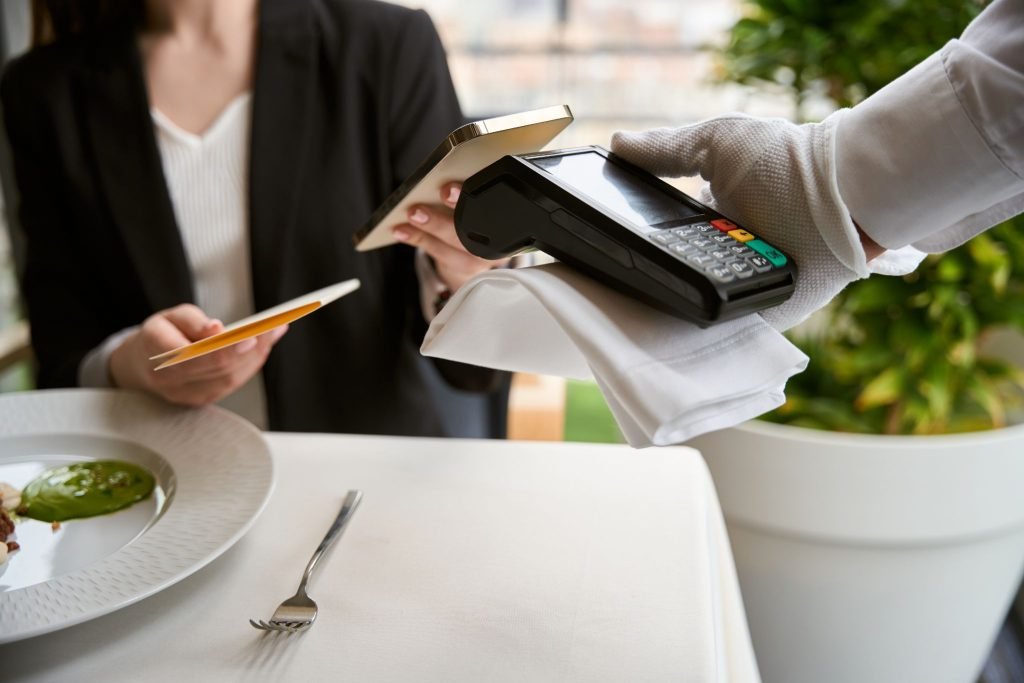
At the end of the meal, it is important to know how to handle payment. Some may think it is straightforward, but there are some basic etiquettes that you need to know.
Basic guidelines:
- The host usually pays in business or formal settings.
- Split the bill if appropriate or previously agreed upon.
- Check the bill before paying to ensure you received the correct one.
Tipping guidelines:
- Depends on the country—some have automatic service charges.
- Generally, a tip of 10-15% is acceptable if service is not included.
- Tip according to service quality, not just as an obligation.
11. Leaving the Restaurant
The last impression will be as significant as the first one. Simply getting up and going out the door after paying might show a bad character.
Etiquette when leaving:
- Always thank the staff when you leave.
- Remember to push your chair back under the table.
- Do not remain in the restaurant for too long if it is crowded.
Conclusion
Restaurant etiquette is not about being overly formal; rather, it’s all about being conscious and respectful. Regardless of whether you are eating out in a casual setting or attending an official event, etiquette ensures that the experience is enjoyable for everyone.
By adhering to these basic principles of restaurant etiquette, ranging from booking your table to settling your payment, you become a more socially aware and thoughtful diner.